Previous
Non Formal Education (Project I and II)
Goal
To improve the literacy, numeracy, and life skills of rural adolescents and adults (aged 14–45 years), enabling them to enhance their socio-economic well-being, participate actively in community development, and make informed decisions in their daily lives.
Objective
- - To provide functional literacy and numeracy education to rural adolescents and adults aged 14–45 years.
- - To improve participants' reading, writing, and basic mathematical skills for everyday use.
- - To increase awareness of health, nutrition, sanitation, family planning, and environmental protection.
- - To enhance knowledge of citizenship, legal rights, human rights, and gender equality.
- - To develop life skills, financial literacy, and livelihood-related knowledge for improving income-generating opportunities.
- - To encourage lifelong learning and active participation in family and community development.
- - To reduce adult illiteracy and promote social inclusion among disadvantaged rural populations.
Major Activities
- - Conduct community needs assessments and identify illiterate adolescents and adults.
- - Enroll eligible learners (14–45 years) in adult literacy centers.
- - Organize regular literacy classes covering reading, writing, and numeracy.
- - Provide functional literacy education linked to daily life and livelihoods.
- - Conduct awareness sessions on health, nutrition, hygiene, sanitation, reproductive health, and family planning.
- - Deliver life skills education, including communication, decision-making, and problem-solving.
- - Provide financial literacy training on savings, budgeting, and small business management.
- - Conduct sessions on legal rights, child protection, gender equality, and prevention of gender-based violence.
- - Organize vocational orientation and entrepreneurship awareness activities.
- - Supply learning materials, books, and teaching aids to learners.
- - Monitor learners' progress through regular assessments and follow-up visits.
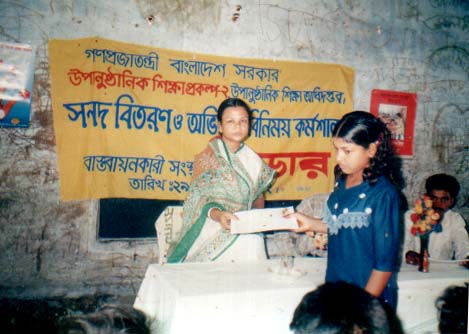
- - Hold community meetings, learner graduation ceremonies, and awareness campaigns to promote adult education.
- - Facilitate linkages with government services, vocational training providers, and livelihood support programs.
- - Conduct end-line assessments and evaluate the impact of the literacy program.