Our Impact
Creating Opportunities; Empowering People; Transforming Lives.
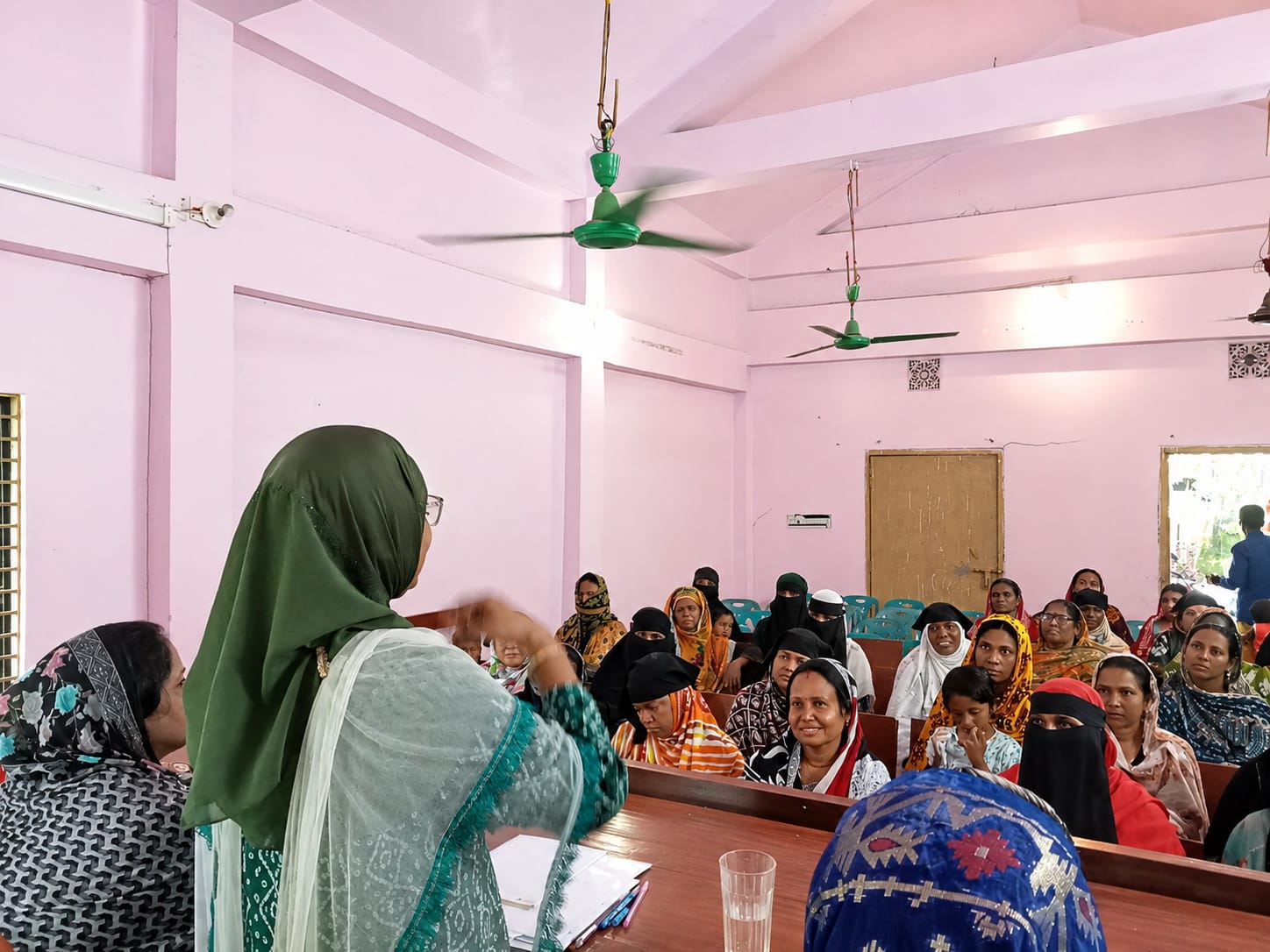
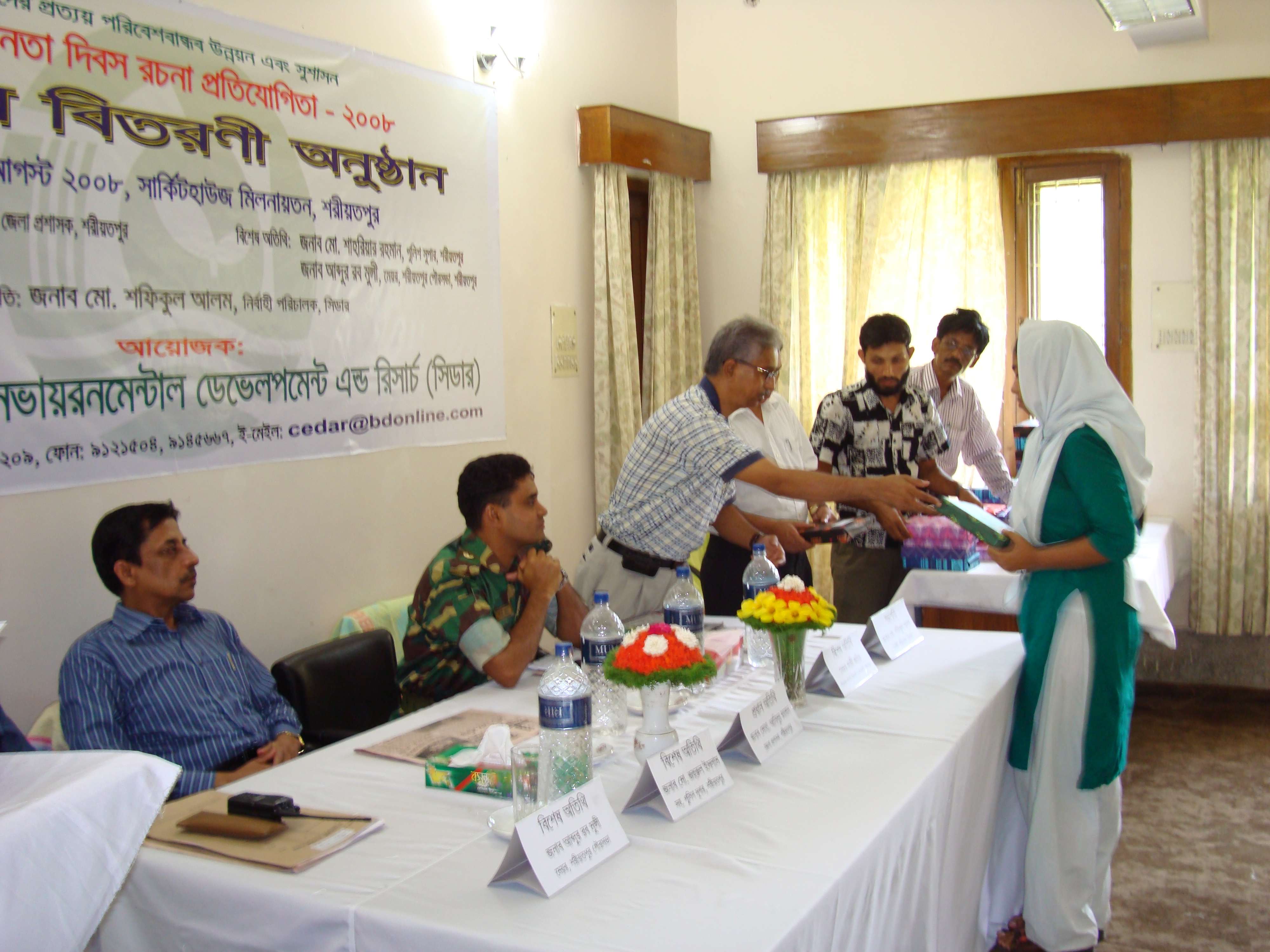
Almost 30 years, CEDAR (Concern for Environmental Development And Research) has been working with disadvantaged, vulnerable and underserved communities to create opportunities, strengthen resilience and promote sustainable socio-economic development. Our development interventions are designed to address the interconnected challenges of poverty, social vulnerability, limited access to education and healthcare, unemployment, unsafe migration, gender inequality and inadequate water and sanitation.
Our approach is centered on people. We believe that sustainable development is achieved when individuals and communities are empowered with the knowledge, skills, resources, opportunities and confidence they need to improve their own lives. Through our integrated development programs, CEDAR has been working to transform vulnerable people from passive recipients of support into active participants in their own development.
Over the years, our interventions have reached a huge number of people across different communities and social groups. Our impact is reflected not only in the number of beneficiaries reached, but also in the positive changes in their knowledge, awareness, skills, livelihoods, health-seeking behavior, dignity and ability to make informed decisions.
Our Impact at a Glance
Extremely poor and disadvantaged people, particularly rural women, supported through microfinance and livelihood development initiatives.
People from vulnerable and high-risk populations reached through HIV/AIDS prevention, awareness and behavioral change interventions.
Women, children and family members benefited from maternal and child health, family planning and reproductive health interventions.
Learners provided with basic education through non-formal education initiatives, along with skills development opportunities.
Disadvantaged families supported with ring slabs under sanitation initiatives and reached with safe water, sanitation and hygiene awareness.
Disadvantaged women supported through the VWB program with food assistance, life skills and skills development training.
Migrant families supported through safe migration initiatives before migration, during their stay abroad and after their return.
Empowering the Poor through Microfinance and Livelihood Development
Poverty is one of the major barriers to sustainable development. For many disadvantaged families, particularly women in rural and underserved communities, limited access to financial resources prevents them from starting or expanding income-generating activities and improving their socio-economic conditions. Through its microfinance and livelihood development initiatives, CEDAR has provided financial services and credit support to approximately 16,000 people living in extreme poverty, with a particular focus on disadvantaged rural women.
Access to financial resources has enabled many beneficiaries to engage in income-generating activities, strengthen household livelihoods, increase family income and improve their overall socio-economic status. Women who previously had limited economic opportunities have gained greater capacity to contribute to household decisions and family well-being. The impact of our microfinance interventions goes beyond access to credit. By supporting people to develop sustainable livelihoods, we are helping families become more financially secure and resilient. Many women who were once economically dependent and vulnerable are now contributing to their families and communities as productive and self-reliant members of society. In this way, CEDAR's microfinance and livelihood initiatives have helped transform vulnerable individuals into contributors to their families, communities and the broader economy.
Preventing HIV/AIDS and Promoting Healthy Behaviors
CEDAR has been actively involved in HIV/AIDS prevention and control through targeted awareness, prevention and behavioral change interventions among vulnerable and high-risk populations. Through these initiatives, approximately 45,000 people have been reached, including truck drivers and helpers, rickshaw and van pullers, sex workers, transgender people (Hijra), professional blood donors, people who use drugs, port workers, garment workers and other targeted populations. Our interventions have helped people understand the causes, risks, prevention measures and consequences of HIV/AIDS. Participants have gained greater awareness of safe sex practices and the importance of responsible health behavior. They have also become more conscious about safe blood transfusion and the potential risks associated with unsafe blood.
A significant impact of these interventions has been the increased willingness of participants to share accurate information with others. By encouraging individuals to become advocates for HIV/AIDS awareness within their own social networks and communities, CEDAR has contributed to reducing misinformation, promoting safer behavior and strengthening community-level awareness. Our work in HIV/AIDS prevention is therefore not limited to reaching individuals; it contributes to building a more informed and responsible society where people are better equipped to protect themselves and others.
Promoting Maternal, Child, Family Planning and Reproductive Health
Healthy families are the foundation of healthy communities. CEDAR has been working to improve awareness and access to essential information and services related to maternal and child health, family planning and reproductive health. Through these initiatives, approximately 5,000 women, children and family members have benefited from health information and services. Our interventions have helped women and families gain knowledge about safe motherhood, maternal and child care, family planning, reproductive health and responsible health practices. Beneficiaries have been encouraged to make informed decisions regarding their health and family well-being and to apply the knowledge gained through the program in their everyday lives.
The impact of these interventions can be seen in increased awareness of safe reproductive practices and improved understanding of the importance of maternal and child health. By empowering women and families with knowledge, CEDAR is helping them make informed choices that contribute to healthier pregnancies, healthier children and stronger families. We believe that access to accurate information and appropriate health services is essential for enabling individuals and families to lead healthier and more secure lives.
Expanding Access to Basic Education and Skills Development
Education is a powerful tool for breaking the cycle of poverty and social exclusion. However, many children and learners from disadvantaged backgrounds face barriers to accessing formal education. Through its non-formal education initiatives, CEDAR has provided basic education to approximately 9,925 learners who have had limited access to formal educational opportunities. Our education initiatives focus not only on basic learning but also on developing practical skills that can be applied in real life. Alongside basic education, learners have received skills development training designed to improve their capabilities, confidence and future opportunities.
The knowledge and skills gained through these programs have helped participants become more capable of addressing everyday challenges and preparing themselves for a more productive future. By combining basic education with practical skills development, CEDAR is helping disadvantaged learners build a stronger foundation for personal growth, livelihood opportunities and social participation. Our commitment to education reflects our belief that every individual deserves the opportunity to learn, develop their potential and contribute meaningfully to society.
Improving Water, Sanitation and Hygiene
Safe water, sanitation and hygiene are essential for human health, dignity and well-being. Lack of adequate sanitation facilities can expose disadvantaged families to serious health and environmental risks. Under its sanitation initiatives, CEDAR has distributed approximately 1,500 ring slabs among disadvantaged families to support improved sanitation facilities.
Alongside material support, our interventions have focused on increasing awareness about safe water, sanitation, hygiene and healthy environmental practices. Beneficiary families have gained a better understanding of the importance of hygienic sanitation facilities and have been encouraged to apply this knowledge in their daily lives. The impact of these initiatives extends beyond the provision of sanitation materials. By combining support with awareness and behavioral change, CEDAR is helping families adopt healthier practices, reduce sanitation-related risks, protect their dignity and contribute to cleaner and healthier communities.
Empowering Vulnerable Women through VWB
Women living in poverty and vulnerability often face multiple challenges, including food insecurity, limited income opportunities, lack of skills and restricted participation in economic and social activities. Through the Vulnerable Women Benefit (VWB) program, CEDAR has supported approximately 15,000 disadvantaged women with food assistance through Union Parishads. The program has provided vital support to vulnerable women while also focusing on building their long-term capacity and self-reliance.
Beneficiary women have received life skills and skills development training to strengthen their confidence, knowledge and practical capabilities. These interventions have helped women develop the capacity to engage in productive activities and become more self-reliant. The program has contributed to improving women's social and economic participation and strengthening their role within their families and communities. By combining immediate support with capacity development, CEDAR seeks to ensure that vulnerable women are not only protected from immediate hardship but are also empowered to build a more secure and dignified future. Through these efforts, CEDAR is contributing to women's empowerment and promoting greater inclusion and participation of disadvantaged women in community development.
Promoting Safe Migration for Bangladeshi Workers
International migration is an important source of livelihood and income for millions of Bangladeshi families. However, migration can also expose workers and their families to financial, legal, social and other risks when they lack adequate information and support. Through its Safe Migration for Bangladeshi Workers initiatives, CEDAR has provided services and support to approximately 6,000 migrant families. Our support covers different stages of the migration process. Before departure, potential migrants and their families receive information and awareness support to help them make informed decisions. During migration and while workers are abroad, CEDAR's interventions focus on monitoring, information and support related to their circumstances and concerns. After migrants return home, their activities and situations are reviewed to identify their needs and provide appropriate assistance.
Where necessary, beneficiaries have also received legal support and guidance to help protect their rights and address migration-related challenges. Through these interventions, CEDAR has contributed to promoting informed, safe and responsible migration practices. Our goal is to help migrant workers and their families reduce vulnerabilities, understand their rights and responsibilities, make informed decisions and maximize the positive benefits of migration.
Creating Lasting Change
CEDAR's impact cannot be measured by numbers alone. Behind every number are a person, a family and a story of change. A woman who gains access to finance can become an entrepreneur and a contributor to her family's income. A vulnerable worker who learns about HIV prevention can protect himself and others. A mother who gains knowledge about reproductive health can make informed decisions for herself and her family. A learner who receives basic education and skills training can gain greater confidence and better opportunities in life. A family that adopts safe sanitation practices can protect its health and dignity. A vulnerable woman who receives support and skills training can move toward greater self-reliance. A migrant worker who receives accurate information and legal support can make safer decisions and better protect his or her rights. These individual changes collectively contribute to stronger families and more resilient communities.
Our programs also demonstrate the importance of an integrated approach to development. Poverty, health, education, women's empowerment, migration, sanitation and social vulnerability are interconnected. Addressing one challenge can create opportunities to address others. For this reason, CEDAR continues to work across multiple development areas to ensure that people and communities receive support that responds to their diverse and changing needs.
Looking Ahead
CEDAR remains committed to expanding its reach and deepening its impact among disadvantaged and vulnerable communities. We will continue to work with communities, government institutions, development partners, local authorities and other stakeholders to create inclusive opportunities and promote sustainable development.
Our vision is to contribute to a society where every person — regardless of gender, economic condition, social status or vulnerability — has the opportunity to live with dignity, access essential services, develop their potential and participate meaningfully in the development of their family and community. We believe that real development happens when people are empowered to become agents of change in their own lives.
From financial inclusion to health awareness, from education to women's empowerment, from sanitation to safe migration — CEDAR continues to work for a better future. Our impact is measured by the lives changed, families strengthened, opportunities created and communities empowered. Together, we are creating opportunities, empowering people and transforming lives.