Previous
Non-Formal Education (Project-03)/Hard-to-Reach (2nd Phase), Project
Goal
To improve the educational, social, and life skills of working children aged 8–14 years in the Dhaka City Corporation area by providing them with access to quality non-formal education and creating opportunities for their continued learning, personal development, and a better future.
Objective
- » To provide working children aged 8–14 years with access to quality non-formal education.
- » To improve the basic literacy, numeracy, and learning competencies of working children.
- » To develop essential life skills, social skills, and positive attitudes among the participating children.
- » To increase children's awareness of health, hygiene, child rights, safety, and protection.
- » To encourage working children to continue their education and gradually integrate into the formal education system where possible.
- » To create a safe, child-friendly, and supportive learning environment for working children.
- » To enhance the participation of parents, guardians, and communities in supporting children's education and overall well-being.
Major Activities
- - Conducting a baseline survey and identifying working children aged 8–14 years in the targeted areas.
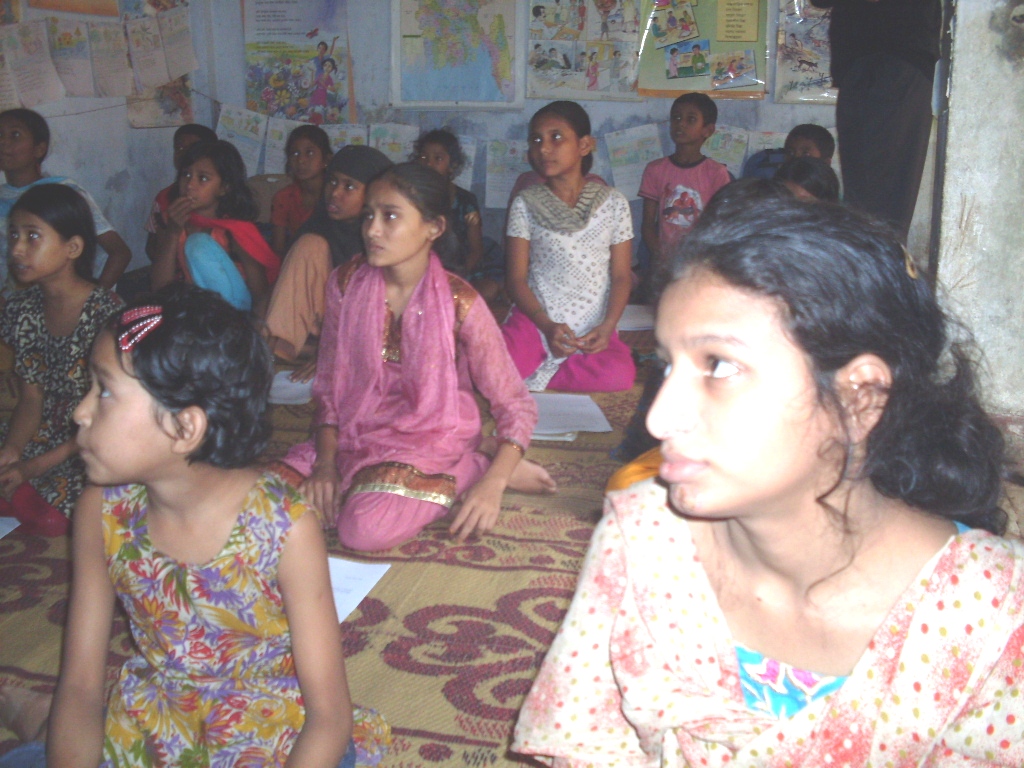
- - Establishing and operating non-formal education learning centers in the Dhaka City Corporation area.
- - Enrolling and providing regular educational support to working children.
- - Developing and delivering age-appropriate lessons on literacy, numeracy, and basic education.
- - Organizing life-skills education sessions on communication, decision-making, problem-solving, and personal development.
- - Conducting awareness sessions on health, hygiene, nutrition, child rights, child protection, and safety.
- - Providing recreational, creative, and extracurricular activities to promote children's psychosocial well-being.
- - Organizing periodic assessments to monitor children's learning progress and educational development.
- - Conducting parent/guardian meetings and community awareness sessions to promote children's education and protection.
- - Facilitating the transition of eligible children into formal schools or higher levels of education.
- - Maintaining regular attendance, learner profiles, progress records, and other relevant project documentation.
- - Conducting monitoring and supervision visits to ensure the quality and effectiveness of the non-formal education program.